
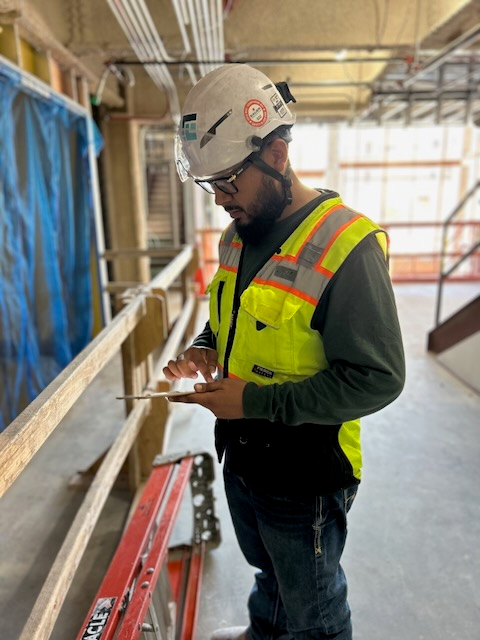
The commercial construction industry is at a critical juncture. Project backlogs are robust, but a shadow looms large: an intensifying skilled labor crisis. This isn’t just a shortage; it’s a systemic challenge threatening project timelines, budgets, and the very future of the trades. Amidst this pressure cooker, General Contractors often face a false dilemma when seeking talent: settle for risky, non-compliant “labor brokers” or endure the high costs and often uninspired workforce of traditional staffing firms.
But what if there was a better way? A “happy middle ground” that champions compliance, values skilled tradespeople, and ultimately fosters the next generation of the workforce?
The current landscape of skilled labor solutions often presents a stark choice:
The “Race to the Bottom” Labor Broker: These entities often provide qualified temporary labor, but frequently skirt compliance regulations, cut corners on safety, and offer minimal benefits or pay to workers. While seemingly cost-effective upfront, they expose GCs to significant legal, financial, and reputational risks. The workforce they provide is often transient and contributes to a negative perception of the trades.
The Traditional Staffing Company: On the other end, these firms may ensure compliance but often operate with a singular focus on maximizing their own profit margins. This frequently translates to paying skilled workers as little as possible, leading to unqualified workers, high turnover, low morale, and an uninspired workforce that performs the bare minimum. They fail to address the underlying issues of attracting and retaining top talent.
Both models, in their own ways, contribute to the very crisis they claim to solve by devaluing the skilled tradesperson.
The True Cost of “Cheap” Labor
The adage “you get what you pay for” has never been more relevant. In commercial construction, cutting corners on skilled labor directly impacts quality, safety, project timelines, and ultimately, profitability. The risks associated with non-compliant labor — from misclassification lawsuits to OSHA violations — can quickly eclipse any initial cost savings. Moreover, a unqualified and disengaged workforce leads to inefficiencies, re-work, and a pervasive sense of apathy that undermines project success.
Investing in Value: The New Paradigm for a Sustainable Workforce
A growing number of innovative solution providers are recognizing that the path forward lies in a different approach. This “happy middle ground” prioritizes:
- Unwavering Compliance: Ensuring all workers are properly vetted, classified, and protected, mitigating risk for both the staffing provider and the General Contractor.
- Valuing the Workers: This is the cornerstone. It means paying skilled workers what they are truly worth, offering fair benefits, and fostering a culture of respect and appreciation. It means treating them as vital assets, not just disposable commodities.
- Prioritizing Worker Well-being: Going beyond just pay to consider the holistic needs of the tradesperson – from safety protocols and career development to a supportive work environment.
Yes, this model often results in a smaller profit margin for the staffing company itself. However, this intentional choice is an investment – an investment in a motivated, loyal, and highly productive workforce. It’s an investment in the long-term health of the construction industry.
Fostering the Next Generation of Skilled Trades
The commercial construction industry faces an existential threat if it cannot attract young talent. The perception of the trades as arduous, underpaid, and unappreciated deters countless potential recruits.
By embracing a staffing paradigm that champions fair compensation, respect, and care for skilled tradespeople, we can fundamentally shift this narrative. When current workers feel valued and thrive, they become powerful advocates, inspiring others to consider a career in construction. This approach fosters:
- Renewed Interest: Young people will see the trades as a viable, respected, and rewarding career path, not just a last resort.
- Higher Retention: Valued employees are less likely to jump ship, reducing turnover costs and increasing project continuity.
- Enhanced Productivity and Quality: Happy, well-compensated workers are more engaged, perform higher quality work, and contribute positively to site culture.
- Long-term Sustainability: A healthy, respected workforce pipeline ensures the industry can continue to build and innovate for decades to come.
The skilled labor crisis is not insurmountable. It is, in fact, an opportunity for commercial construction to evolve its approach to talent. By moving beyond the binary choices of cheap, risky labor or expensive, unqualified staffing, and instead embracing a model that genuinely invests in its skilled tradespeople, we can build not just structures, but a sustainable future for the entire industry.
The “happy middle ground” isn’t just a niche; it’s the future of commercial construction labor solutions.